Coloring or Free Drawing: Which Should You Try?
Choose between a ready-made outline and a blank canvas based on what would make starting easier today.
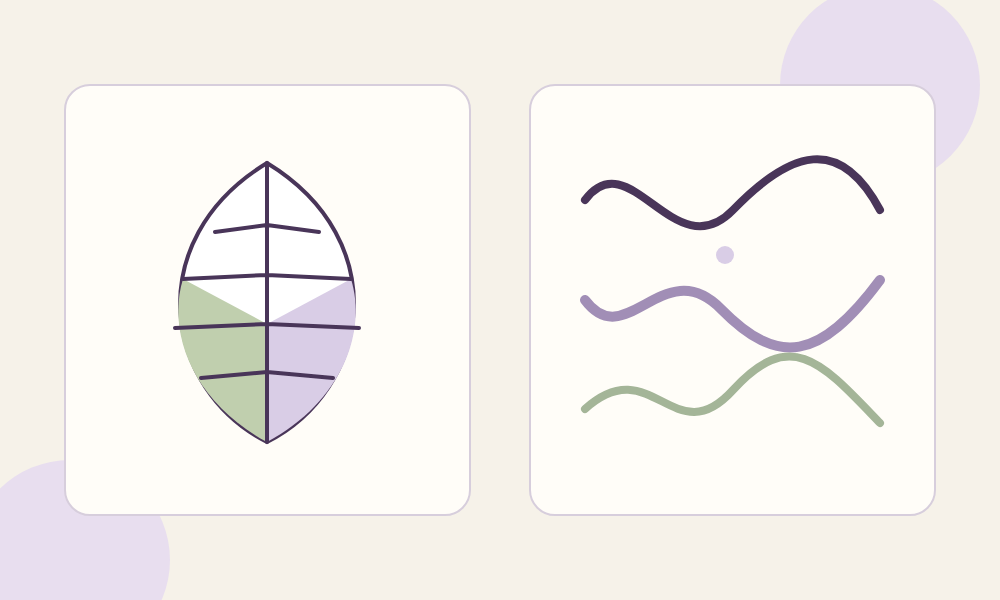
Two starting points, different decisions
Coloring begins with an existing outline: you decide where to place color, how much to fill and whether to leave areas untouched. Free drawing begins with an open canvas: you choose the marks as well as their placement. Neither approach requires an impressive result, and neither is automatically more relaxing or creative.
The useful question is not which activity is best, but which decisions you want to make today. You might enjoy inventing a shape on one afternoon and prefer an outlined leaf on another. Changing your preference does not mean you have failed to find your style.
Choose the amount of structure you want
Consider these starting preferences rather than treating them as rules about your ability. An outline can still invite experimentation, and a blank canvas can be used for a single repeated mark.
- Try coloring if choosing a subject feels like extra work. An outline gives you a place to begin; selecting one area and one color is enough.
- Try free drawing if you want to choose the size, direction and spacing of your marks. You can draw abstract lines without naming a subject.
- Try either if time is short. A small area of a template and a few marks on a blank canvas can both fit a brief session.
A five-minute example
Imagine you have five minutes between tasks. With coloring, choose a simple leaf outline and fill only one segment in green, leaving the rest blank. With free drawing, make three curved lines, then decide whether to add a fourth or leave space. Both create a clear stopping point. Compare the experience of beginning, not the beauty of the two pictures.
Make a small comparison
You do not need to commit to one method. Use two short sessions, or divide one sheet into two areas, and try this sequence.
- Set the same modest time limit for each attempt, such as three minutes. Use a small selection of colors so the comparison stays manageable.
- Start with one outlined area on one side and one freely chosen mark on the other. Avoid trying to recreate the same finished image.
- Notice which decisions felt welcome and which felt demanding: choosing color, choosing a subject or deciding where a line ends.
- Choose the approach that made starting easier, or combine them next time. Keep either result unfinished if you want.
Common questions
Is coloring less creative? An outline limits the initial shape, but you still choose color, rhythm and what to leave empty. Creativity does not have to mean inventing every part.
Do I need drawing skills for a blank canvas? No. A dot, a line or an arrangement of simple shapes can be your entire drawing. You can add detail later if you want.
Should I finish before switching? No. You can move from coloring to a blank canvas, return later or stop. Completion is an option, not a condition for trying the activity.
Let the next session stay flexible
Keep the choice small: one outline or one open space, one color or a few marks. If using MoodMirror, you can try drawing or coloring templates and optionally record a short note in your mood journal. You do not need an AI interpretation to decide which process you enjoyed. Your own experience is enough.
Make room for a little drawing
Try an open canvas or a coloring template in MoodMirror, and add a mood journal entry if you feel like reflecting.
Try MoodMirror