Emotional drawing and art journaling guides
Thoughtful, evidence-aware resources for drawing, reflection, mood tracking, and understanding the responsible limits of AI wellness tools.
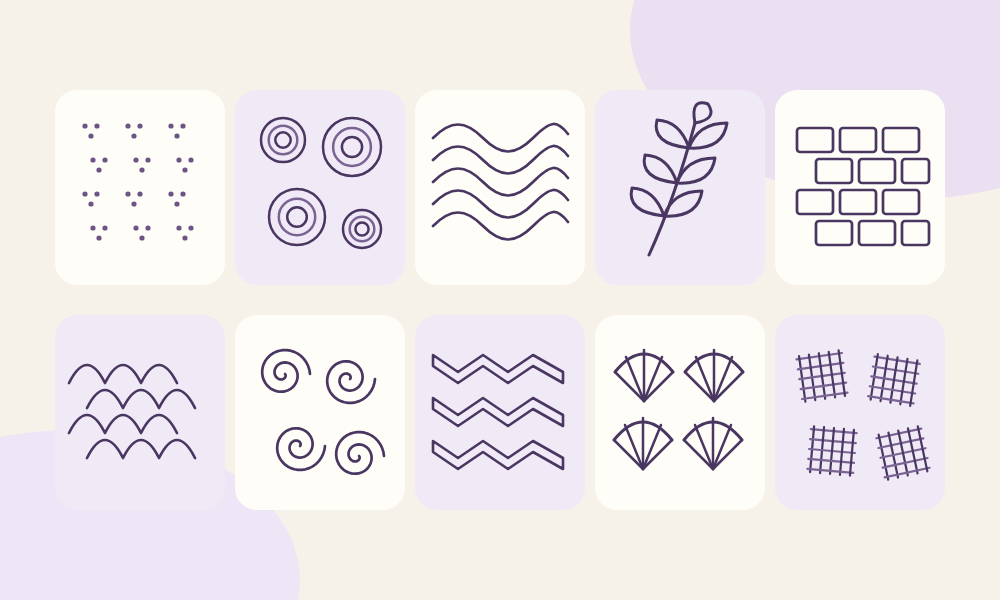
10 Easy Doodle Patterns for Beginners
Ten repeatable patterns you can build from a few familiar marks, with practical ways to vary spacing and shape.
Read article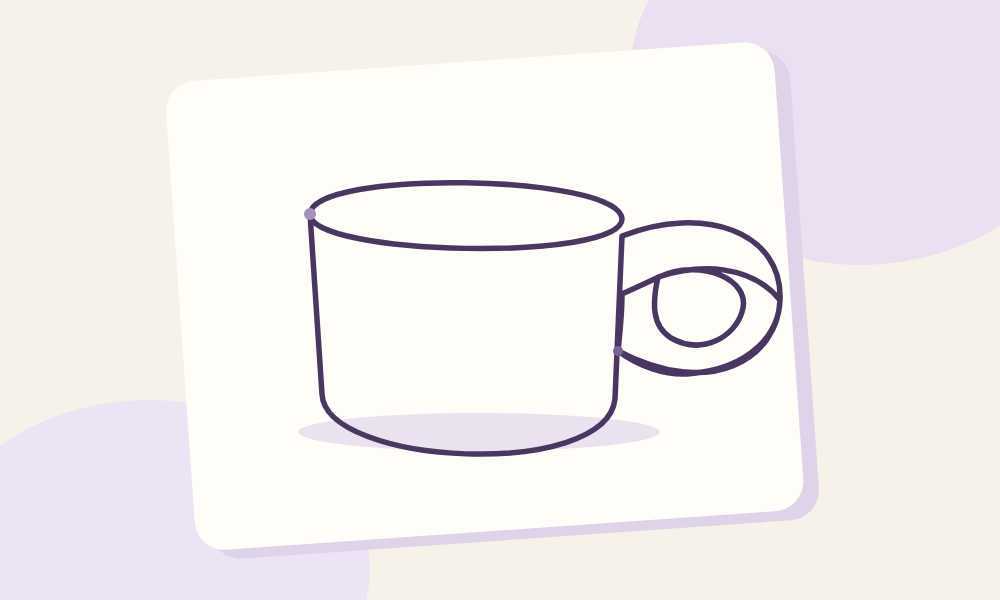
Continuous Line Drawing: A Beginner’s Guide
A practical first session in keeping one line moving, including how to travel between details without lifting your pen.
Read article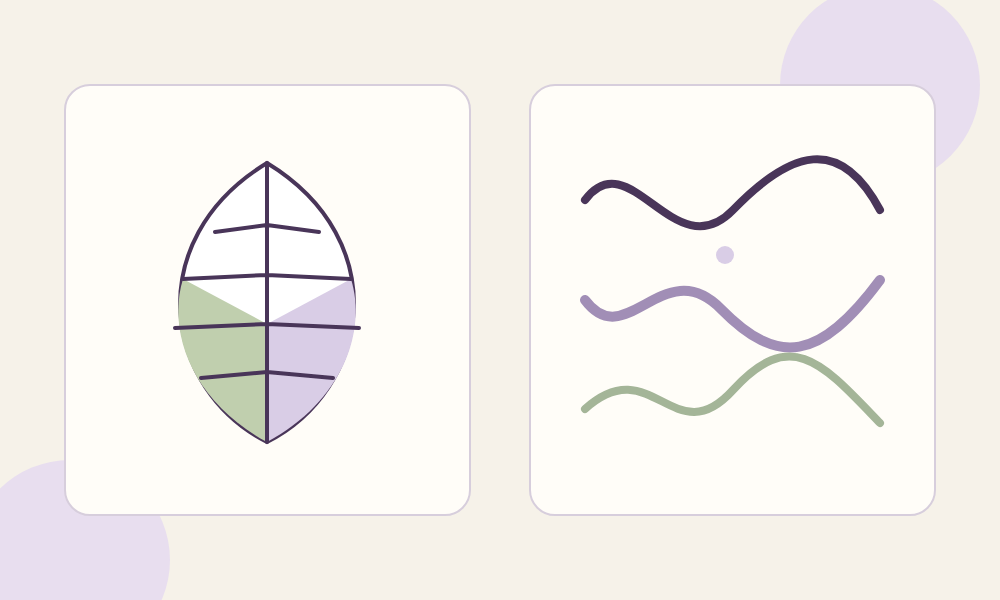
Coloring or Free Drawing: Which Should You Try?
Choose between a ready-made outline and a blank canvas based on what would make starting easier today.
Read article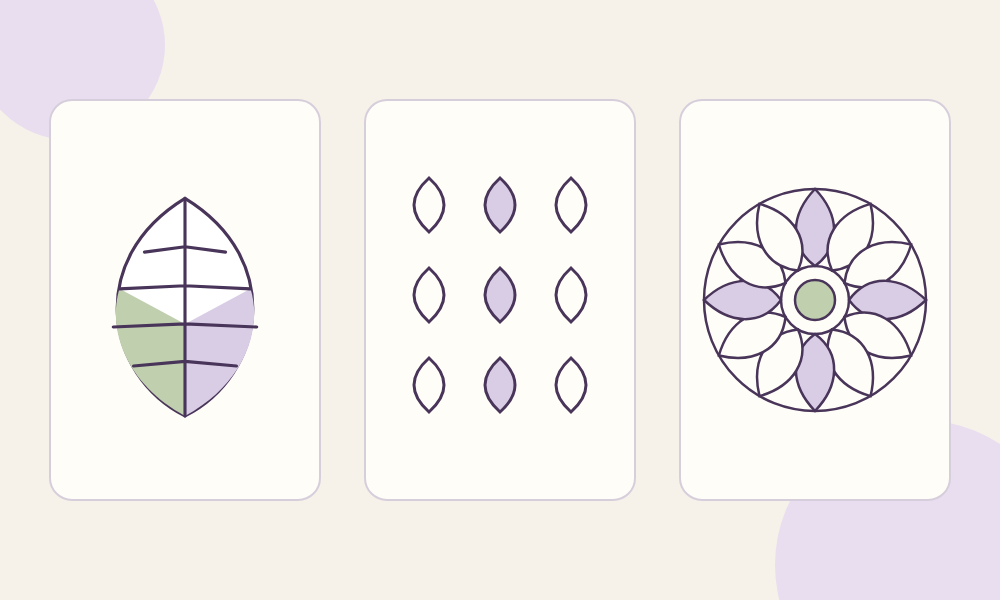
How to Choose a Coloring Template
Match a template to your available time and the amount of detail you want, without turning selection into another task.
Read article
A Drawing Break Between Tasks
A practical transition routine: close one task, draw briefly, and name the first step of the next one.
Read article
What to Look for in a Doodle App
Choose a drawing tool by testing the things you will actually use, rather than counting features.
Read article
The Healing Power of Expressive Writing
In our modern, fast-paced world, finding an outlet for our thoughts and emotions is crucial. Expressive writing is a powerful therapeutic tool that allows the subconscious mind to flow onto paper.
Read article
Sound Therapy and Singing Bowls
Everything in the universe is in a state of vibration, including our bodies. Sound therapy utilizes this fundamental principle, using specific frequencies to bring the mind and body back into a state of harmonious balance.
Read article
Forest Bathing (Shinrin-Yoku)
Originating in Japan in the 1980s, Shinrin-Yoku (Forest Bathing) is the simple, therapeutic act of spending time in a forest environment.
Read article
Pottery and Clay Therapy
Working with clay is a primal and deeply grounding experience. Clay therapy helps individuals shape their emotions through tactile engagement.
Read article
Color Psychology and Therapy
Colors profoundly impact our mood and energy levels. Color therapy (Chromotherapy) explores how different hues can be used to balance our mental states.
Read article
Movement and Dance Therapy
Our bodies hold onto emotional trauma. Dance movement therapy uses physical expression to release trapped emotions and heal the mind-body connection.
Read article
Aromatherapy for Emotional Balance
Scent is the only sense directly linked to the brain's limbic system, which controls emotions and memory. Aromatherapy leverages this connection.
Read article
Therapeutic Photography
Therapeutic photography is the practice of using photography to explore personal identity, reframe perspectives, and practice mindfulness.
Read article
Sandplay Therapy: Unlocking the Unconscious
Rooted in Jungian psychology, Sandplay therapy allows individuals to build miniature worlds in a tray of sand, revealing unconscious desires and traumas.
Read article
Music Therapy: Melodies for the Mind
Music has a profound impact on our neurological and emotional states. Music therapy uses melodies and rhythms to facilitate healing.
Read article
Case Study: Finding Light in the Ink
When Sarah lost her mother, the grief was so overwhelming that she stopped speaking for weeks. Conventional talk therapy felt too confrontational. It wasn't until her therapist suggested expressive writing that Sarah found a safe vessel for her pain.
Read article
Q&A: The Resonance of Healing
We sat down with Dr. Elena Rostova, a neuroscientist turned certified sound healer, to discuss the mechanics behind sound therapy.
Read article
The Neuroscience of Shinrin-Yoku
Forest bathing, or Shinrin-Yoku, is often praised for its spiritual benefits. But what happens in the brain and body when we step into the woods? The science is incredibly robust.
Read article
DIY Workshop: Grounding with Clay at Home
You don't need a kiln or a potter's wheel to experience the therapeutic benefits of clay. This 60-minute at-home workshop uses air-dry clay to help you ground yourself.
Read article
Busting 5 Common Myths About Color Psychology
Color psychology is a fascinating field, but it is often misunderstood or oversimplified in pop culture. Let's separate fact from fiction.
Read article
Art Therapy for Children: Expressing the Unspoken
Children often lack the vocabulary to express complex emotions like grief, anxiety, or trauma. Art therapy provides them with a visual language, allowing them to communicate their inner world safely and creatively.
Read article
Mindful Calligraphy: The Zen of Ink and Brush
Long before it was considered a hobby, calligraphy in Eastern cultures was practiced as a form of meditation. Mindful calligraphy focuses not on producing perfect letters, but on the breathing and rhythm of the brush strokes.
Read article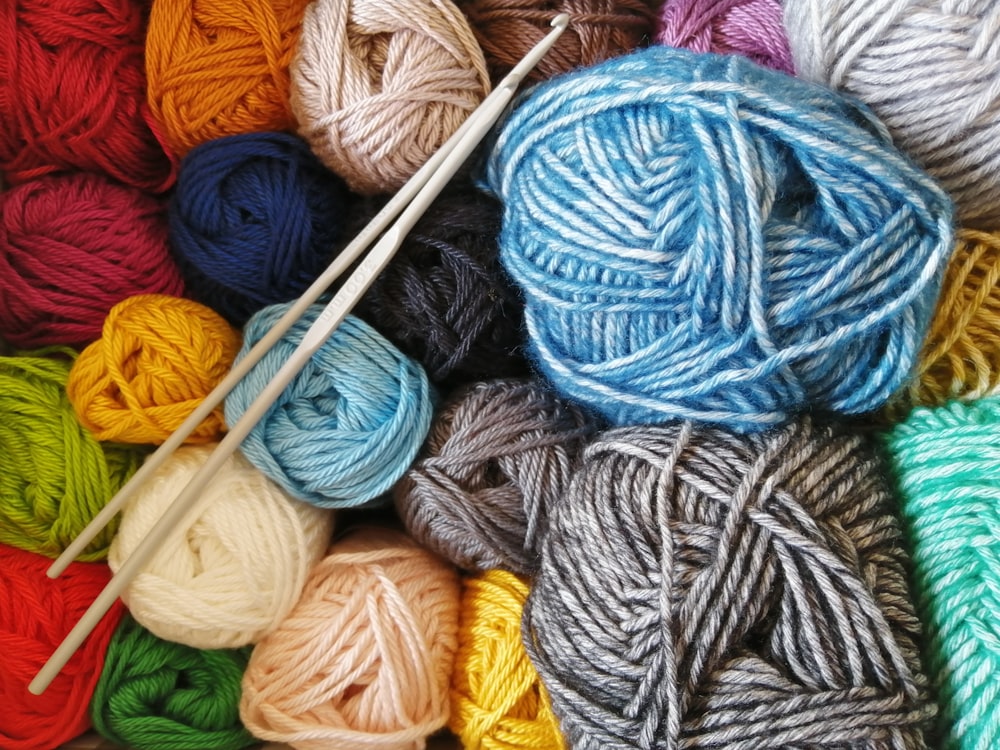
Knitting Therapy: Healing Loop by Loop
Often dismissed as just a craft, knitting is increasingly being recognized by psychologists as a powerful therapeutic tool. The rhythmic, repetitive motions of knitting and crocheting offer neurological benefits remarkably similar to meditation.
Read article
Horticultural Therapy: Growing Healing Gardens
Horticultural therapy uses plants and gardening activities to improve mental and physical health. Digging in the dirt is, quite literally, one of the most grounding activities a human can do.
Read article
Poetry Therapy: Finding Solace in Verses
Poetry therapy is a form of bibliotherapy that uses the reading and writing of poetry to facilitate healing and personal growth. Poems are concentrated capsules of human emotion.
Read article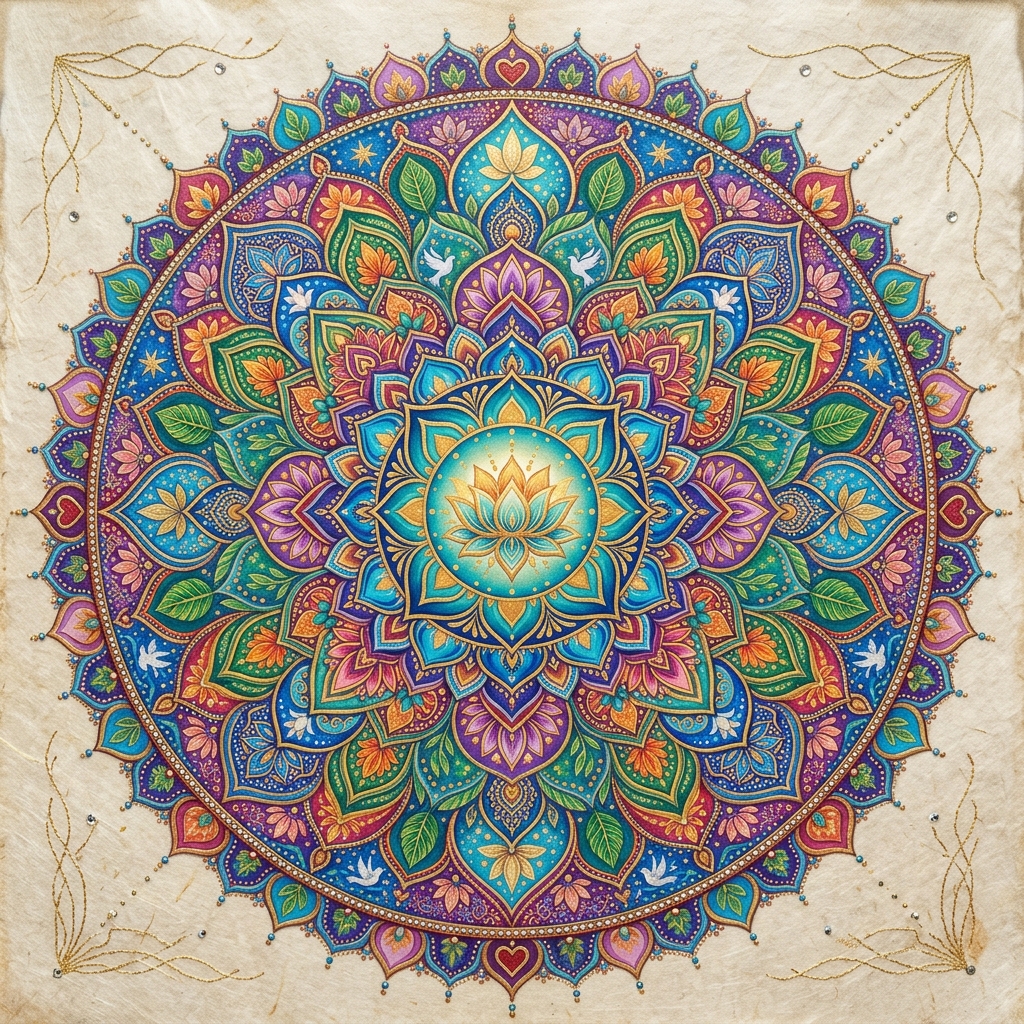
Mandala Art Therapy: Finding Your True Self Through Circles and Colors
In today's fast-paced world, our minds are often filled with stress, anxiety, and noise. Finding a simple, effective, and soul-touching way to decompress has become a common desire. Mandala art therapy is a key to unlocking inner peace and self-awareness.
Read articleHow to Choose Colors for a Repeating Pattern
A simple way to turn a few colors into a plan you can actually use.
Read articleHow to Use White Space in a Coloring Page
Uncolored areas can be part of your design. Here are three ways to experiment with them.
Read articleWhat to Do When You Dislike Your Coloring Page
Before starting over, give yourself a smaller decision to make.
Read articleOne Pattern, Three Color Jobs
Give three colors simple roles, then try them in a small repeating pattern.
Read articleLeave One Ring Open
Try an uncolored band as part of a circular design.
Read articleA Small Place to Stop
Choose a small section and let it be enough for this session.
Read articleA Drawing Journal for Events, Thoughts, and Feelings
Three small panels can give a confusing moment a clearer structure.
Read articleOne Moment, Three Panels
Three panels for an everyday moment.
Read articleHow to Use a Feelings Wheel in a Drawing Journal
You can try a feeling word without deciding it is the final answer.
Read articleTwo Words Can Fit
A short check-in for mixed or unclear feelings.
Read articleHow to Choose a Drawing Prompt for a Difficult Day
Start with how much you want to do, rather than a rule about what each emotion should look like.
Read articleChoose Your Level of Reflection
Choose how much reflection feels manageable today.
Read article